

What You'll Find in This Article
Welcome to Email 12!
So far you’ve learned about:
- Seongsan (volcanic crater you can climb)
- Butcher BBQ (how locals eat)
- Dolphins & Coast (natural beauty)
- Hallasan (the volcano that created everything)
- Haenyeo (disappearing sea women tradition)
- Manjanggul (walk inside the volcano)
- Green Tea (tea culture and plantations)
- Seasonal Highlights (when to visit)
- Oreums (368 mini-volcanoes)
- 5-Day Markets (where locals shop)
- Hikes for People Who Hate Hiking (easy trails with great views)
Today: K-drama filming locations organized by where they actually are, not by which show you watched.
PART 1: Why You Shouldn’t Miss This
The Problem with Drama-by-Drama Lists
Most K-drama location guides organize by show. “Here’s where Boys Over Flowers filmed. Here’s where Secret Garden filmed.”
That’s great if you only care about one drama. But if you’re planning a Jeju trip and you’ve watched multiple shows, you end up with a scattered list of locations across the entire island with no logical route.
A better approach: organize by geographic area. Then you can hit multiple filming locations in one trip without driving back and forth across Jeju like you’re training for a rally race.
Why Jeju Gets Filmed So Much
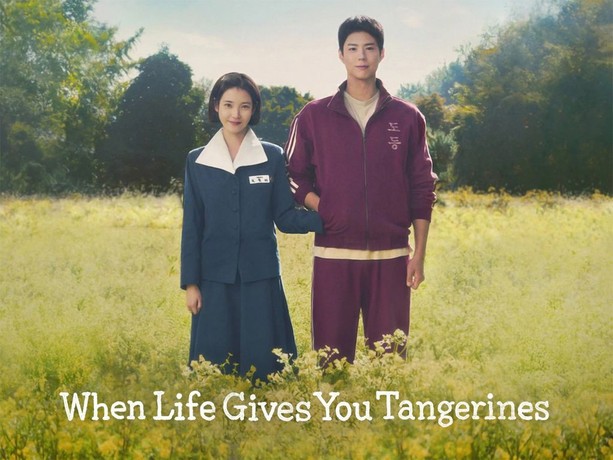
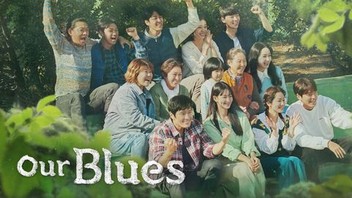
Over 70% of Our Blues was shot on Jeju. Welcome to Samdal-ri filmed almost entirely on the island. When Life Gives You Tangerines used Jeju’s 1950s-era locations and haenyeo culture as its foundation.
Producers choose Jeju for volcanic landscapes impossible to replicate elsewhere, coastal scenery, traditional architecture, white windmills and stone walls, accessibility from Seoul (1-hour flight), and four distinct seasons providing different visual atmospheres.
The island works for historical dramas (Jewel in the Palace), fantasy romance (Legend of the Blue Sea), contemporary family stories (Our Blues), and workplace comedies (Extraordinary Attorney Woo).
For K-drama fans visiting Jeju, filming locations aren’t separate attractions. They’re the same beaches, cafes, oreums, and markets you’re already visiting. The drama connection just adds extra meaning.

Six Locations Worth Visiting (Drama Connection or Not)
Seongsan Ilchulbong (성산일출봉)
UNESCO World Heritage volcanic crater on the eastern coast. 20-30 minute climb to crater rim with stunning 360-degree views.
Filmed in: Boys Over Flowers, All In, When Life Gives You Tangerines, and many others.
Why visit: This is Email 1’s main attraction. Essential Jeju experience whether you’ve watched K-dramas or not. Haenyeo demonstrations at base daily (1:30 PM and 3:00 PM).
Sinchang Windmill Coastal Road (신창풍차해안도로)
Western coast road flanked by white wind farms. White windmills against blue ocean. Particularly beautiful at sunset.
Filmed in: Secret Garden, Our Blues, Welcome to Samdal-ri (the emotional hug scene).
Why visit: One of Jeju’s most photographed coastal roads. Stunning views regardless of drama knowledge. Accessible for driving or walking portions of the coastal trail.
Geumneung Beach & Biyangdo Island (금능해수욕장)
Western Jeju beach with white sand and views of Biyangdo Island offshore. Local fishing village atmosphere.
Filmed in: Our Blues (portrayed as the main fishing village where most characters live and work).
Why visit: Beautiful beach for swimming in summer. Quieter than eastern beaches. Good seafood restaurants nearby. The village atmosphere is authentic.
Dodubong Oreum (도두봉)
Small oreum near Jeju City with 10-15 minute climb to summit. Views of Jeju City, airport, and planes taking off. Lighthouse nearby with cafe.
Filmed in: Welcome to Samdal-ri (multiple scenes), Extraordinary Attorney Woo (coastal views).
Why visit: Easy accessibility from Jeju City. Great plane-spotting location. Covered in Email 9 as one of the beginner-friendly oreums. Free access.
Aewol Cafes (애월)
Northwest coast village known for cafe culture and artistic community.
Filmed in: Warm and Cozy (Bomnal Cafe with resident corgis), Legend of the Blue Sea (Aewol Monsant Cafe).
Why visit: Aewol has become Jeju’s hipster cafe district. Multiple excellent cafes, art galleries, and coastal walks. Covered in Email 7 for green tea desserts. Bus accessible from Jeju City.
Seopjikoji (섭지코지)
Eastern coast scenic cape with coastal cliffs, meadows, and iconic lighthouse on a hill. Walking trails along the coastline.
Filmed in: Boys Over Flowers (cafe scene), The Legend of the Blue Sea, When Life Gives You Tangerines (lighthouse walk scenes), countless other dramas.
Why visit: One of Jeju’s most beautiful coastal walks. Canola flowers in spring. Ocean views. The lighthouse and cape are stunning independent of any drama connection. Can combine with Seongsan in same trip.
For the complete location guide with 20+ filming sites organized by region, detailed access information, and specific scene references, see our full blog post.
PART 2: How to Make it Happen
Build Routes by Region (Not by Drama)
Instead of trying to visit every location from your favorite drama, group locations by geographic area. You’ll save hours of driving and hit multiple filming sites in one trip.
Eastern Coast Day:
Morning: Seongsan Ilchulbong (Boys Over Flowers, When Life Gives You Tangerines) Mid-morning: Ojo Port if you want the Welcome to Samdal-ri Lucky Convenience Store location Lunch: Nearby seafood restaurant or Goseong 5-Day Market if dates align (2, 7, 12, 17, 22, 27) Afternoon: Seopjikoji (Boys Over Flowers, Legend of the Blue Sea, When Life Gives You Tangerines) If time: Gimnyeong Beach area (When Life Gives You Tangerines haenyeo diving scenes)
Western Coast Day:
Morning: Geumneung Beach (Our Blues main village) Lunch: Aewol area cafes (Warm and Cozy filming location, great green tea desserts) Afternoon: Sinchang Windmill Coastal Road (Secret Garden, Our Blues, Welcome to Samdal-ri hug scene) Sunset: Sindo Port area if you want the Extraordinary Attorney Woo dolphin-watching spot
Jeju City Quick Stops:
Morning: Dodubong Oreum (Welcome to Samdal-ri, Extraordinary Attorney Woo) Afternoon: Jejumok Gwana Government Office if you watched When Life Gives You Tangerines Or: Combine with other city activities
This way you’re not driving from western Jeju to eastern Jeju and back three times in one day.
Combine with Your Regular Itinerary
Most filming locations are places worth visiting anyway:
- Seongsan Ilchulbong = Email 1 essential
- Oreums (Dodubong) = Email 9 oreum hunting
- Beaches (Geumneung, Gimnyeong) = Email 3 coast exploration
- Markets (Goseong) = Email 10 five-day markets
- Cafes (Aewol area) = Email 7 green tea culture
- Hallasan = Email 4 centerpiece
Just note which places also have K-drama connections and appreciate the extra layer of meaning.
What NOT to Expect
Permanent sets: Most drama locations are real places temporarily transformed for filming. Props, decorations, and set pieces get removed after production wraps.
Interior access: Many locations only used exteriors. You can see Samdal’s house street but can’t enter the actual homes. Resort hotels only accessible to guests.
Obvious markers: Some famous locations have signs acknowledging drama filming. Most don’t. You’re visiting real villages, beaches, and mountains that happen to have been filmed.
Theme park experience: This isn’t a K-drama theme park. You’re exploring actual Jeju locations that appeared on screen.
Practical Tips
Screenshot scenes: Before visiting, screenshot the specific scenes you want to recreate. Use landmarks to find exact angles.
Visit during similar conditions: Cherry blossom scenes work best in spring. Sunset scenes need afternoon timing. Snow scenes require winter visit.
Respect private property: Some filming locations are private homes or active work sites. Photograph from public areas only.
Combine purposes: Visit for the location’s inherent value (beautiful beach, good cafe, interesting oreum) with K-drama connection as bonus.
Ask locals: At cafes or shops near filming locations, staff often know which scenes were shot where and can point you to exact spots.
Transportation
Car rental works best for western coast locations, oreums, and hitting multiple sites in one day. Gives you flexibility to stop at recognized locations spontaneously.
Bus works for major locations (Seongsan, Aewol, Jeju City areas). Requires more planning and time but perfectly viable.
Taxi is good for single-location trips or when bus timing doesn’t work.
Tour packages: Several companies offer K-drama location tours with transportation and guide. Search “Jeju K-drama tour” for options if you want everything handled.
PART 3: Korean You’ll Actually Use
At Filming Locations
Is this where [drama] was filmed?: “여기 [drama name] 촬영지예요?” Romanization: Yeo-gi [drama name] chwal-yeong-ji-ye-yo?
Which scene was filmed here?: “여기서 무슨 장면 찍었어요?” Romanization: Yeo-gi-seo mu-seun jang-myeon jji-geo-sseo-yo?
Can I take a photo?: “사진 찍어도 돼요?” Romanization: Sa-jin jji-geo-do dwae-yo?
At Cafes Featured in Dramas
I came here because of [drama name]: “[Drama name] 보고 왔어요” Romanization: [Drama name] bo-go wa-sseo-yo
This place is beautiful: “여기 정말 아름다워요” Romanization: Yeo-gi jeong-mal a-reum-da-wo-yo
Useful Vocabulary
드라마 (Deu-ra-ma) = Drama / TV series
촬영지 (Chwal-yeong-ji) = Filming location
장면 (Jang-myeon) = Scene
배우 (Bae-u) = Actor/Actress
팬 (Paen) = Fan
여기 (Yeo-gi) = Here
Why This Adds Depth to Your Jeju Experience
You didn’t come to Jeju only for K-drama locations. You came for volcanic landscapes, coastal beauty, unique culture, and authentic experiences.
If K-dramas introduced you to Korean culture or sparked your interest in visiting Korea, these filming locations offer meaningful connection.
Walking the same coastal road where Secret Garden filmed. Standing at the crater rim where Boys Over Flowers had their Jeju episode. Watching real haenyeo dive at the beach where When Life Gives You Tangerines showed 1950s diving culture.
These moments bridge the screen and reality.
The locations exist independent of their drama fame. Seongsan Ilchulbong is a UNESCO World Heritage volcanic crater whether Lee Min-ho climbed it or not. Sinchang Windmill Coastal Road is stunning whether you’ve seen Hyun Bin stand there or not.
When you’ve watched those dramas, visiting adds emotional resonance. Recognition transforms sightseeing into something personal.
What’s Next
In 2 days, Email 12 covers easy hikes for people who hate hiking. Beautiful trails. Minimal elevation. Great views. No technical skills required. Perfect for non-outdoorsy travelers who still want to experience Jeju’s natural beauty.
But first: If K-dramas brought you to Jeju, honor that connection. Visit at least one filming location. Take the photo. Feel the recognition. Connect the stories you watched to the island you’re exploring.
— Ed
P.S. — Many K-dramas portray Jeju as a place where burned-out people from Seoul escape to heal and find themselves. After visiting, you’ll understand why that narrative works. The island offers that.