
What You'll Find in This Article
Welcome to Email 9!
So far you’ve learned about:
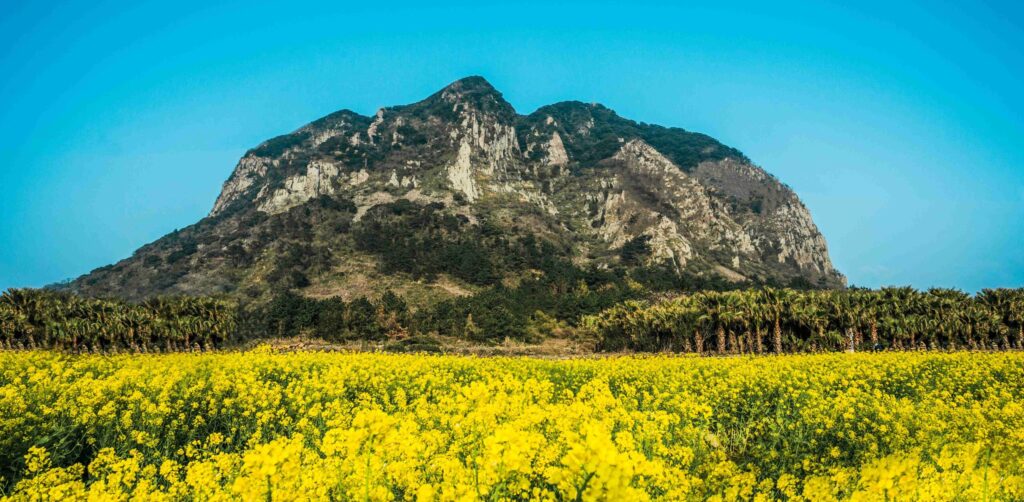
- Seongsan (volcanic crater you can climb)
- Butcher BBQ (how locals eat)
- Dolphins & Coast (natural beauty)
- Hallasan (the volcano that created everything)
- Haenyeo (disappearing sea women tradition)
- Manjanggul (walk inside the volcano)
- Green Tea (tea culture and plantations)
- Seasonal Highlights (when to visit)
Today: The small volcanic cones nobody talks about but locals love.
PART 1: Why You Shouldn’t Miss This
Oreum (오름) – Jeju’s 368 Mini-Volcanoes
When you first see the word “oreum” on Jeju maps, you think: Is that an animal? Vegetable? Mineral?
Then you search it and find terms like “parasitic volcano” and think: That sounds terrible.
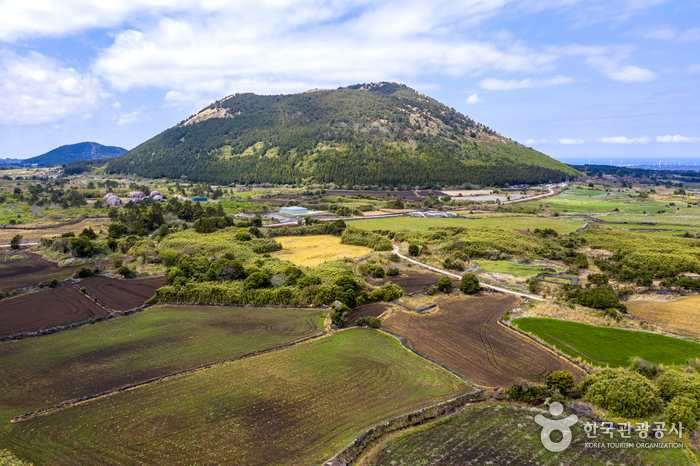
An oreum is a small volcanic cone. Jeju has 368 of them scattered across the island. Easy to climb. Stunning 360-degree views. Almost zero tourists.
They used to be called “parasitic cones of Hallasan” because researchers assumed they formed as secondary vents during Hallasan’s eruptions. But in 2024, new research revealed that some oreums are actually older than Hallasan itself. So they can’t be parasitic. They’re just small standalone volcanic formations that dot the landscape.
This is what locals do for exercise, sunset walks, and quiet time in nature. While tourists crowd Seongsan Ilchulbong and Hallasan, Koreans are climbing oreums.
Why Sora Loves Oreums
Sora (Ed’s co-host) says oreum hunting is one of her favorite Jeju activities. Three reasons:
Easy: Most oreums take 10-30 minutes to reach the summit. No special equipment. No reservations. No entrance fees (most are free). You just show up, walk up, enjoy the view, walk down.
Quiet: Way fewer people than famous peaks. Sometimes you’re the only person at the summit. No crowds. No noise. Just wind and views.
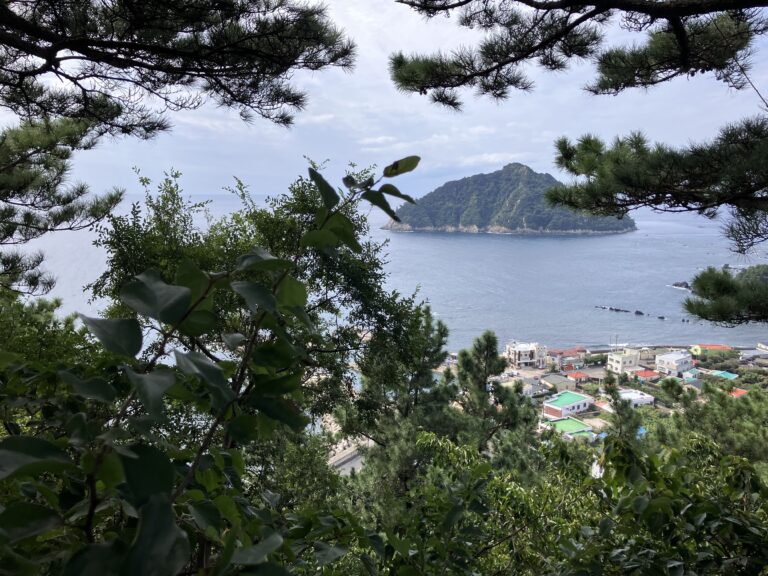
Beautiful: 360-degree panoramas from the top. You see the ocean, Hallasan, other oreums, villages, fields, and coastline. Every oreum offers a different perspective on Jeju’s volcanic landscape.
Oreums give you the view and majesty of mountain climbing without the crowds, difficulty, or time commitment of Hallasan or Seongsan.
The Easiest Oreums (Near Jeju City)
Sarabong Oreum (사라봉)
Location: Jeju City, near the port and airport
Climb time: 10 minutes to the top
What you see: Panoramic views of Jeju City, the airport, the ocean, and ferries heading to mainland Korea
Who you’ll meet: Kindergarten kids on picnics. Grandparents exercising. Wild rabbits. Maybe a cat.
Bonus: Cherry blossoms in spring. This is where locals go for cherry blossoms, not the touristy cherry blossom streets that get overrun with visitors.
Vibe: Peaceful. Local. You might be the only foreigner.
Real talk: This feels like a pleasant neighborhood hill. Sora insists it’s not a hill because hills aren’t formed by volcanic activity. Fine. It’s an oreum. But it feels like an easy walk, not a challenging climb.
Byeoldobong Oreum (별도봉)
Location: Connected to Sarabong via coastal trail
Views: North coast, harbor, Jeju City
Note: Most people do Sarabong and turn around. Byeoldobong is the extension for those who want a longer coastal walk.
Dodubong Oreum (도두봉)
Location: Near Rainbow Coastal Road, close to the airport
Climb time: 10-15 minutes
Views: Jeju City and the airport. Great for plane spotting if you’re into that.
K-drama alert: This is where Korean dramas film aerial shots of Jeju City. If you watched “Welcome to Samdali,” this is where the high school couple watched planes take off during their dating scene.
Bonus: Lighthouse nearby with a cafe in front of it (not inside, in front).
The Hardest Oreum (For Those Who Want a Challenge)
Darangshwi Oreum (다랑쉬오름)
Location: Eastern Jeju
Climb time: 30 minutes up, 30 minutes down (1 hour total)
Difficulty: Feels like a real mountain. Lots of stairs. Some sections aren’t paved yet. More challenging than Seongsan Ilchulbong and longer too.
Why it’s called “Queen of Oreums”: The views are spectacular. From the summit you see Udo Island, Seongsan Ilchulbong, multiple volcanic cones, and the ocean stretching to the horizon.
Winter bonus: Bare trees create a dreamy, almost Patagonian atmosphere in the forest sections.
Summit: Crater at the top with commanding panoramic views.
Worth it? Absolutely. But this is a real hike, not a casual walk. Come prepared.
The trade-off: No tourist crowds. No high school field trips clogging the summit. Just you and the landscape.
The Favorites
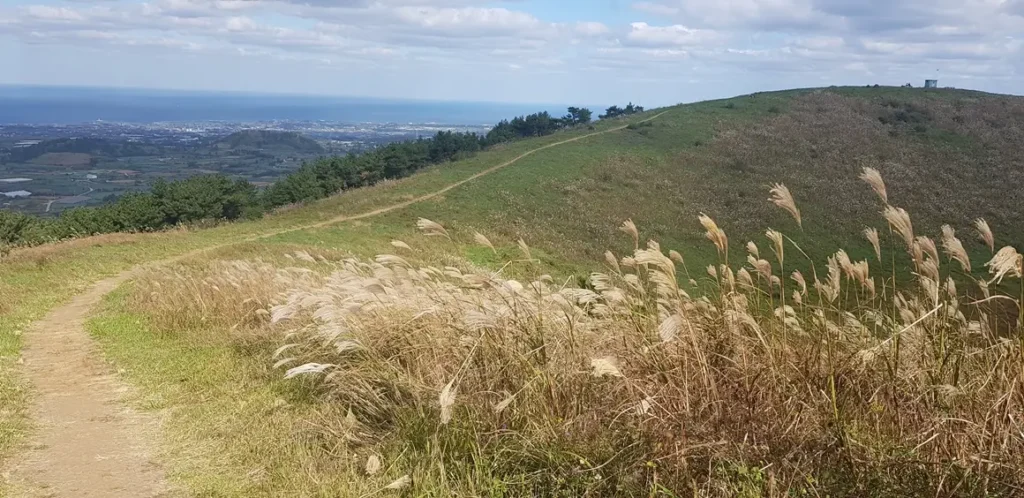
Sora’s pick: Yongnuni Oreum (용눈이오름)
Location: Eastern Jeju
Why she loves it: She went at sunrise with her husband Jaden. Wild horses grazing nearby. No other people. Total silence except for horse hooves and wind. A genuine “one with nature” moment.
What you see: Seongsan Ilchulbong, Udo Island, horses, multiple oreums dotting the landscape.
Trail note: The path passes through horse paddocks. Gates are designed to keep horses in while letting people through.
Status: Was closed for nature recovery for a few years. Reopened. Now becoming popular on Korean social media. Still peaceful compared to major tourist sites, but not as empty as it used to be.
Best time: Early morning before Instagram crowds arrive.
Ed’s pick: Gunsan Oreum (군산오름)
Location: Southern Jeju
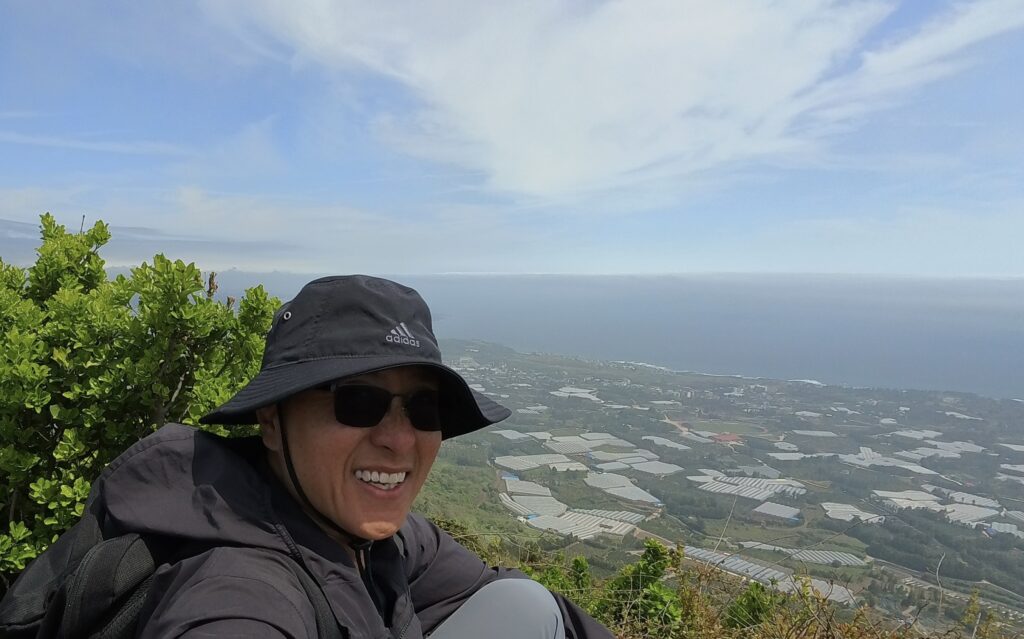
Why he loves it: Serendipity. He climbed it as part of the Olleh Trail without knowing what to expect. Steep forest climb where you can’t see far ahead. Then suddenly the forest opens up to stunning panoramic views of southern Jeju.
The experience: You’re working hard, breathing heavy, focused on the trail. Then you reach the summit and everything changes. The view justified the effort.
Accessibility secret: You can drive most of the way up and walk just 5 minutes to the summit. Ed didn’t know this. He walked the whole way up from the bottom like an idiot. When he reached the top, he saw other visitors arriving fresh and relaxed. Then on the way down, he discovered the parking lot. Lesson learned.
Best for: Sunset. People with mobility limitations who still want oreum views.
How to Oreum Hunt
Unlike famous peaks, oreums don’t require extensive planning. You can:
- Spot one while driving and pull over to climb it
- Check Kakao Maps or Naver Maps for nearby oreums
- Walk sections of the Olleh Trail which passes through multiple oreums
- Ask locals for their favorite oreum
- Visit early morning or late afternoon for best light and fewest people
The spontaneity is part of the appeal. You’re exploring, not executing a rigid itinerary.
The Government Recovery Program
Some oreums close temporarily for nature recovery. The closures last a few years to allow vegetation to regenerate and trails to heal from overuse. When they reopen, the vegetation is lush and the trails are fresh.
If you find an oreum that’s closed, respect the closure. It will reopen eventually. There are 367 other oreums to explore in the meantime.
Should You Climb an Oreum?
If you’re not an outdoor person and Hallasan seems too difficult, and even Seongsan Ilchulbong feels intimidating, an oreum is your answer. Easy climb, great views, local experience, and almost no crowds.
At minimum, climb Sarabong. It’s 10 minutes from Jeju City center. You’ll see kindergarteners and grandparents doing it. If they can handle it, you can too.
If you want more challenge, try Darangshwi or Yongnuni. If you want sunset with minimal effort, drive up Gunsan and walk the last 5 minutes.
Oreums sit alongside Seongsan Ilchulbong, haenyeo, tangerines, and the fabulous coastline as essential elements of Jeju’s identity. They’re less famous but equally important to understanding the island’s volcanic character.
PART 2: How to Make it Happen
Finding Oreums
Kakao Maps or Naver Maps: Copy and paste the following, or search “오름” or “oreum” and the map shows nearby volcanic cones
- Sarabong Oreum (사라봉)
- Byeoldobong Oreum (별도봉)
- Dodubong Oreum (도두봉)
- Darangshwi Oreum (다랑쉬오름)
- Yongnuni Oreum (용눈이오름)
- Gunsan Oreum (군산오름)
Olleh Trail: Multiple routes pass through or near oreums
Ask locals: Koreans love sharing their favorite oreums
Drive and spot: Many oreums are visible from main roads. If it looks interesting, pull over and climb it.
Difficulty Levels
Easy (10-15 minutes): Sarabong, Dodubong, Byeoldobong
Moderate (20-30 minutes): Most oreums fall into this category
Challenging (30-60 minutes): Darangshwi, Yongnuni
Cost
Free at most oreums. Some might charge ₩1,000-2,000 (less than $2).
When to Go
Early morning: Sunrise, fewer people, cooler temperatures, better light for photography
Late afternoon: Sunset, golden hour, comfortable temperatures
Avoid: Windy or rainy days. Summits are exposed and unpleasant in bad weather.
What to Bring
Water: Essential even for short climbs
Comfortable shoes: Sneakers work for easy oreums. Hiking shoes are better for challenging ones with unpaved sections.
Light jacket: Summits are windier and cooler than ground level
Camera: The views deserve documentation
Sunscreen: Sun exposure increases at elevation
What NOT to Bring
Crampons, hiking poles, or technical mountaineering gear. Save those for Hallasan. Oreums are simple walks, not expeditions.
Transportation
Easy oreums near Jeju City (Sarabong, Dodubong): Accessible by bus or short taxi ride from Jeju City
Remote oreums (Yongnuni, Darangshwi, Gunsan): Car required
How Long to Budget
Quick climb (Sarabong): 30 minutes total
- 10 minutes up
- 10 minutes enjoying views
- 10 minutes down
Moderate climb: 1 hour total
- 20 minutes up
- 20 minutes at summit
- 20 minutes down
Challenging climb (Darangshwi): 1.5-2 hours total
- 30 minutes up
- 30 minutes exploring summit and crater
- 30 minutes down
- Extra time for photos and rest
Combining with Other Activities
Oreums work well combined with:
Olleh Trail sections: Many trail routes incorporate oreums
Nearby attractions: Research what’s close to each oreum (beaches, cafes, other sites)
Coastal drives: Many oreums sit near scenic coastal roads
Closed Oreums
Some oreums close for nature recovery lasting a few years. Always check status before making a special trip to a specific oreum. If it’s closed, choose a different one. There are plenty of options.
Photography Tips
Summit = 360-degree views: Bring a wide-angle lens or use smartphone panorama mode
Best light: Golden hour (shortly after sunrise or before sunset)
Weather matters: Clear days offer better visibility. Cloudy days create moody atmospheres.
Best Seasons for Oreums
Spring: Cherry blossoms at Sarabong. Green vegetation. Comfortable temperatures.
Summer: Lush and green. Hot. Bring extra water. Go early morning or late afternoon.
Fall: Autumn foliage. Comfortable temperatures. Clear skies. Best overall season for oreum hunting.
Winter: Bare trees create different aesthetic (beautiful at Darangshwi). Fewer crowds. Cold and windy at summits. Bring warm layers.
PART 3: Korean You’ll Actually Use
The Slow-Down Phrase
천천히 (Cheon-cheon-hi) = Slowly / Take your time
This is the opposite of 빨리빨리 (pali-pali) = Quickly, hurry up
Koreans live in 빨리빨리 culture. Everything happens fast. But when you’re climbing an oreum and need people to slow down, use 천천히.
How to Use It
Please do it slowly / Please take your time: “천천히 하세요” Romanization: Cheon-cheon-hi ha-se-yo
Please go slowly: “천천히 가세요” Romanization: Cheon-cheon-hi ga-se-yo
Please come slowly: “천천히 오세요” Romanization: Cheon-cheon-hi o-se-yo
Or just say 천천히 and people will understand from context.
Climbing Scenarios
When you’re tired climbing and your hiking partner is ahead: “천천히 가세요” = “Go slowly” or “Wait for me”
When someone’s waiting for you at the summit: “천천히 오세요” = “Come slowly” or “Take your time coming up”
When asking someone to speak slowly: “천천히 말해 주세요” Romanization: Cheon-cheon-hi mal-hae ju-se-yo Meaning: “Please speak slowly”
(Asking Koreans to speak slowly is asking a lot. They talk fast. But this phrase helps.)
Useful Oreum Vocabulary
오름 (O-reum) = Oreum / Small volcanic cone
정상 (Jeong-sang) = Summit / Peak
올라가다 (Ol-la-ga-da) = To go up / To climb
내려가다 (Nae-ryeo-ga-da) = To go down / To descend
경치 (Gyeong-chi) = Scenery / View
아름답다 (A-reum-dap-da) = Beautiful
At the Summit
Wow, the view is great!: “와, 경치 좋아요!” Romanization: Wa, gyeong-chi jo-a-yo!
Please take a photo for me: “사진 찍어 주세요” Romanization: Sa-jin jji-geo ju-se-yo
Can I sit here?: “여기 앉아도 돼요?” Romanization: Yeo-gi an-ja-do dwae-yo?
Why Oreums Matter
You came to Jeju for Hallasan and Seongsan. Famous volcanic sites that appear in every guidebook and Instagram feed.
Oreums tell a different story. They show you that the entire island is a volcanic field. 368 eruption points scattered across the landscape. Each one a reminder that this island formed through countless separate volcanic events over millions of years.
Oreums also show you how locals experience their island. Koreans don’t climb Hallasan every weekend. It’s too much work. They climb oreums. Quick. Easy. Beautiful. This is their relationship with Jeju’s volcanic landscape.
When you climb an oreum, you’re not just getting a view. You’re participating in local island culture.
What’s Next
In 2 days, Email 10 covers Jeju’s 5-day markets (오일장). Traditional rotating markets where locals buy fresh produce, seafood, and household goods. Authentic. Affordable. Zero tourists. This is where Jeju people actually shop and eat.
But first: add at least one oreum to your Jeju itinerary. Even if it’s just Sarabong for 30 minutes. You’ll understand Jeju’s volcanic character better, and you might find yourself alone on a summit watching the sun set over the East China Sea.
Not a bad way to spend half an hour.
— Ed
