What You'll Find in This Article
The answer most travel sites will give you is spring or fall. They are not wrong. But they are also not telling you the full story, which includes things like Korean national holidays that make the island more expensive and crowded, air quality differences between Jeju and the mainland, and the fact that Jeju in winter is genuinely underrated. Here is the inside scoop.
Winter: December through Early March
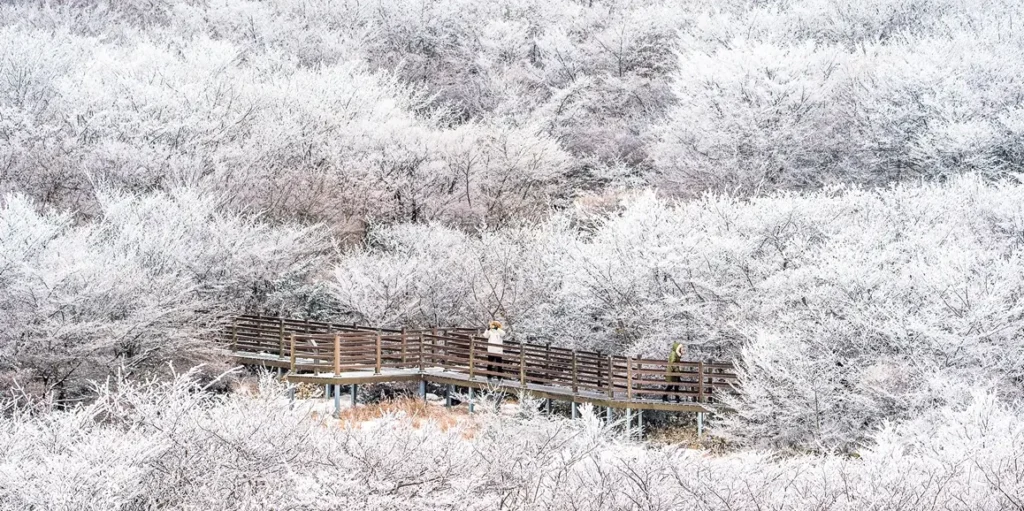
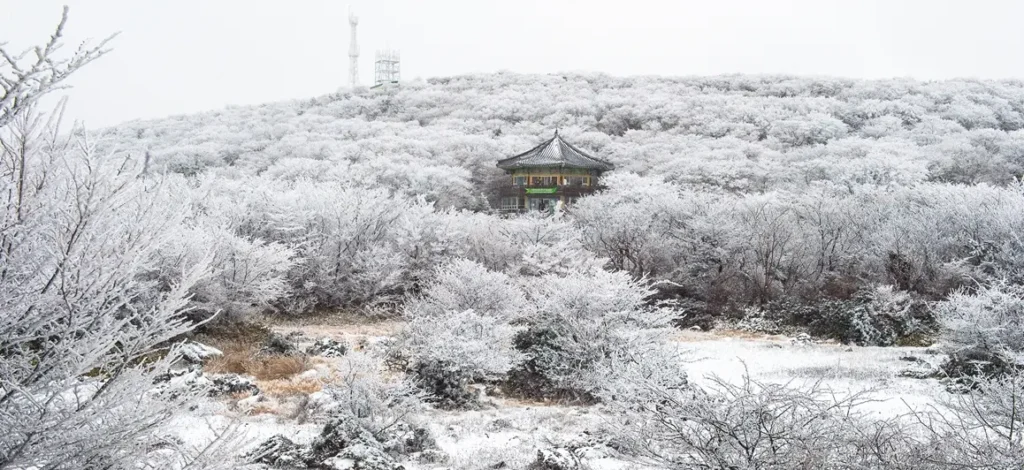
Winter on Jeju is milder than on the Korean mainland, but don’t make the mistake of thinking it will be warm. Jeju City and Seogwipo City can have relatively comfortable days even in December, but the wind is real, and the mid-mountain areas near Hallasan 한라산 may see significant snowfall.
The case for winter travel: fewer tourists, lower prices, and the tangerine harvest. Tangerine picking is only possible in winter, and it is one of the more enjoyable agricultural experiences on the island. See Episode 5 of the podcast for more on that. For views of Hallasan with snow cover, winter is the only option.
The case against: if you plan to hike Hallasan in winter, you need crampons and hiking poles. This is not optional. The summit trails become genuinely dangerous without proper equipment. Sunset comes around 5:30 to 6 PM, which shortens your active day.
And one period to avoid entirely: Seollal, the Lunar New Year. Koreans travel in enormous numbers during Seollal. Flights, trains, and buses sell out weeks in advance, and prices spike across the board. If you have flexibility, do not plan your Jeju trip around the Seollal period.
Winter bonus: jjimjilbang 찜질방 culture. Korea’s sauna and bathhouse tradition is pleasant any time of year, but there is something specifically right about it in winter. Jeju has outdoor jjimjilbangs that use a traditional wood fire to heat the room.
Spring: Late March through May
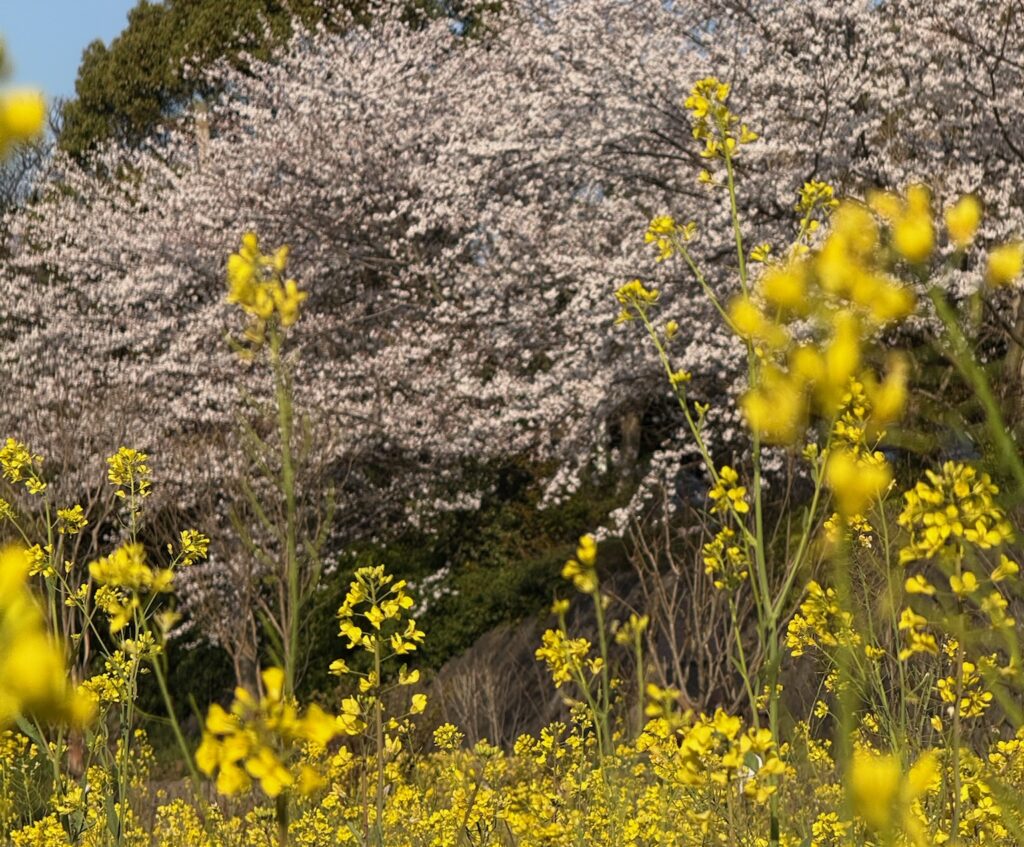
Spring is peak Jeju. Cherry blossoms arrive at the end of March and last 5 to 7 days at peak bloom. Canola flowers run from late February through May. The weather is something Goldilocks would appreciate: not too cold, not too warm, with generous sunshine making up for any bouts of wind. The hiking conditions are ideal, and the island is at its most visually dramatic.
Here is the practical information that most articles leave out. The first week of May is a Korean Golden Week, when several public holidays stack together, including Children’s Day, Parents’ Day, and Labor Day. This period sees a significant surge of domestic tourists.
One advantage that Jeju has over Seoul in spring: air quality. Seoul contends with yellow dust (황사, hwang-sa) blown in from the Mongolian and Chinese deserts, as well as fine particulate pollution (미세 먼지, mi-seh monji) from Chinese industrial sources. Jeju gets much less of both. If you are spending time in Seoul and Jeju on the same trip, the air on Jeju will be noticeably cleaner.
Summer: June through August
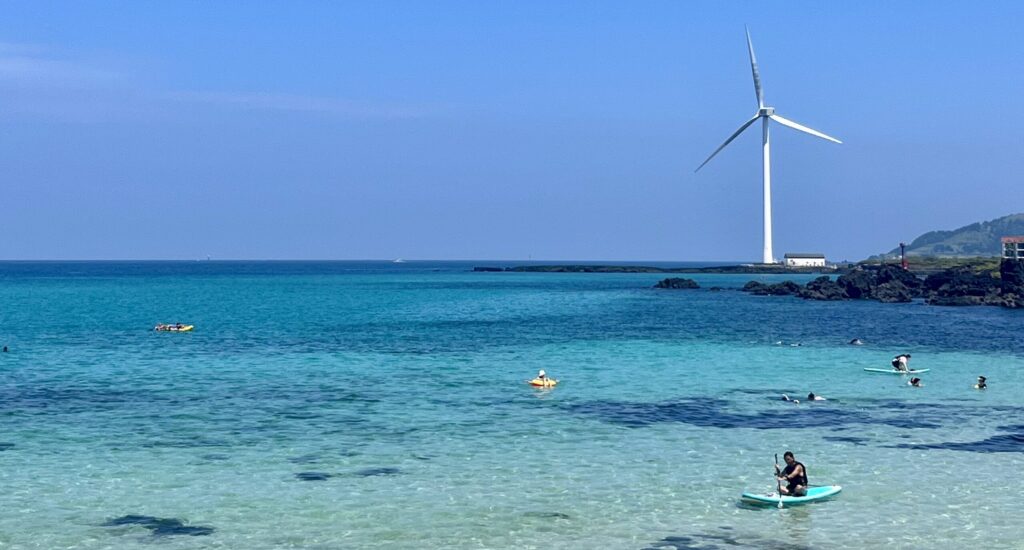
Summer is hot, humid, and crowded. Jeju receives its largest influx of domestic tourists in July and especially the last week of August, when Korean companies do summer shutdowns and families take their annual vacations. The island’s beaches are fully operational, water sports are available, and the days are long.
If you want the beach experience without the peak crowds, June is the move. Swimming is possible from May, and June gives you warm water, warm days, and smaller crowds than the full summer rush.
For Hallasan hikers: summer does not require special equipment, but the heat and humidity mean you need significantly more water than you think. The mountain generates its own weather patterns, and the ascent is a full physical effort even in good conditions.
Fall: Late September through November
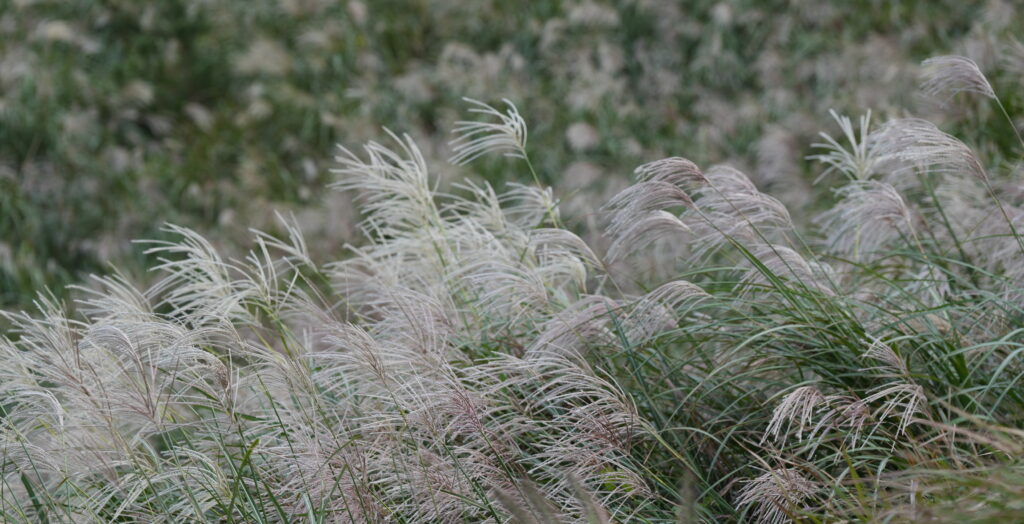
Fall is the other peak season, and for good reason. The weather is stable and comfortable, hiking at Hallasan is excellent, and the autumn foliage on Hallasan is genuinely spectacular. Most Koreans consider spring and fall the best seasons in Korea full stop.
The single biggest thing to know about fall travel in Korea: Chuseok. Chuseok is the Korean Thanksgiving holiday, a multi-day period in September or October when Koreans travel in large numbers to visit family. Accommodation prices spike, flights fill up weeks or months in advance, and the day before Chuseok is one of the busiest travel days of the year. Do not try to compete with Korean travelers for transportation during Chuseok. If your trip overlaps with the holiday, stay where you are and let it pass.
Wrapping Up
Every season on Jeju has something specific going for it.
Before we wrap up, here is a simple framework for deciding:
- If budget and quiet matter most, go in winter, but avoid Seollal (which can fall in late January or February).
- If you want cherry blossoms and canola flowers and good hiking weather, go in late March to mid-April.
- If you want beaches and water activities with manageable crowds, go in June.
- If you want great hiking weather, autumn color, and stable conditions, go in October (avoiding Chuseok).
And, remember to avoid:
- Seollal in winter
- Golden Week in early May
- the last week of August, and Chuseok in fall.
